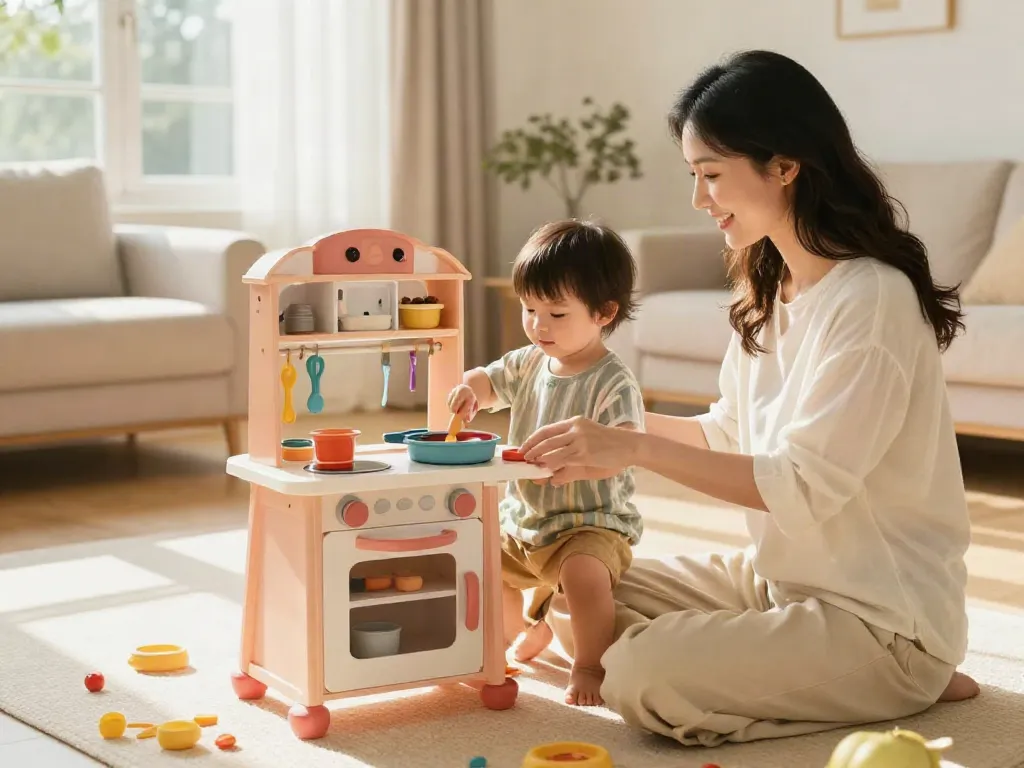
Understanding the Benefits of a Toy Kitchen
A toy kitchen is not just a simple playset; it represents a world of imagination, creativity, and essential life skills for children. When exploring options, toy kitchen sets are designed to enhance playtime experiences, nurture budding chefs, and provide countless hours of enjoyment. These engaging playsets allow children to mimic adult behaviours, fostering a sense of responsibility and independence from an early age.
Why Every Child Needs a Toy Kitchen
Every child thrives on imaginative play, and a toy kitchen serves as an ideal backdrop for this development. In a world increasingly dominated by screens, a toy kitchen offers a tangible experience that encourages creative thinking. By playing chef, children learn not only the art of pretend cooking but also create narratives, which enhances their cognitive skills.
Developmental Skills Fostered Through Play
Engaging with a toy kitchen promotes a variety of developmental skills:
- Motor Skills: Children develop fine motor skills as they manipulate kitchen utensils and pretend food.
- Language Skills: Role-play encourages dialogue and storytelling, improving linguistic abilities.
- Social Skills: Playing with peers fosters sharing, teamwork, and negotiation skills.
- Mathematical Skills: Measuring ingredients and counting food items introduces basic maths in a fun context.
Social Interaction and Imaginative Play
The social aspect of play is crucial in a child's development. A toy kitchen allows for role-playing scenarios where children can interact with one another, simulate real-life situations, and build friendships. As they play, they experiment with different social roles, which can lead to enhanced emotional intelligence and empathy.
Choosing the Right Toy Kitchen for Your Child
Selecting the perfect toy kitchen involves understanding your child’s interests and developmental needs. Factors like age-appropriateness, safety features, and design can significantly affect how much your child enjoys their play experience.
Considerations for Age-Appropriateness
When selecting a toy kitchen, consider your child's age. Younger children may benefit from simpler designs with fewer parts, while older children might enjoy more complex kitchens with additional accessories and interactive features. Ensure the set is designed for your child's age group to maintain engagement and safety.
Material and Safety Features to Look For
Safety is paramount when it comes to children’s toys. Look for kitchens made from non-toxic materials, with rounded edges and no small parts that could pose a choking hazard. Wooden kitchens often provide durability and a tactile experience, while plastic models may have features like interactive sounds and lights that enhance play.
Exploring Different Styles and Themes
From modern designs with sleek finishes to classic wooden kitchens, the style and theme of the toy kitchen can make a significant impact on its appeal. Consider kitchen sets that reflect your child’s preferences or existing playroom decor. Themes can range from traditional kitchens to themed options, such as baking or outdoor grilling stations.
Top Toy Kitchen Brands to Consider in 2026
The market for toy kitchens is diverse, with many brands catering to various preferences and budgets. Here are some top brands to consider:
Review of Innovative Wooden Toy Kitchen Sets
Wooden toy kitchens are popular for their aesthetic appeal and durability. Brands like Tiny Land provide beautifully crafted sets that inspire creativity. These kitchens often include accessories and are designed for long-lasting play, making them a worthwhile investment.
Plastic Kitchen Sets: Pros and Cons
Plastic kitchens are lightweight and often feature interactive components, such as sounds and lights. While they tend to be more affordable and easier to clean, some parents prefer wooden sets for environmental reasons. Evaluate the pros and cons based on your child’s preferences and playstyle.
Comparison of Popular Brands: Features and Pricing
When comparing brands, consider key features such as size, included accessories, and pricing. Companies like Melissa & Doug offer a variety of options that cater to different budgets and design preferences. Researching the specific features can help in selecting the best kitchen for your child.
Setting Up the Perfect Play Kitchen Environment
Creating a conducive play environment enhances the enjoyment and educational value of a toy kitchen. Consider the layout and accessories to maximise playtime engagement.
Creating a Safe and Engaging Space
Ensure that the play area is safe and accessible. A designated space where children can freely explore their toy kitchen without hazards will encourage independent play. Keep the area tidy to prevent accidents, and regularly check the toy kitchen for any wear and tear.
Incorporating Realistic Accessories
Adding realistic accessories can significantly enhance the play experience. Consider including play food, utensils, and even aprons to make the experience more immersive. These items can encourage imaginative scenarios and provide a richer play environment.
Maximising the Educational Value of Play
Integrate educational themes into playtime by encouraging discussions about healthy eating, cooking techniques, and even cultural cuisine. Facilitate learning moments by asking questions and prompting children to describe their cooking process.
Future Trends in Toy Kitchens and Play Pretend
The toy kitchen market is evolving with trends that reflect changing societal values and technological advancements. Anticipating these trends can help you choose a kitchen that remains relevant and engaging.
Emerging Technologies in Toy Design
We are seeing an increase in the integration of technology within toy kitchens. Features such as interactive screens and responsive components allow children to experience a more dynamic play environment that can adapt based on their interactions.
Eco-Friendly Materials and Sustainability
As society becomes more environmentally conscious, so does the toy industry. Expect a rise in kitchens made from sustainable materials, focusing on recycling and eco-friendly production methods, allowing parents to make choices that align with their values.
Expert Insights: What to Expect in the Coming Years
Experts predict that focus will continue to shift towards promoting skills that reflect real-world applications. Toy kitchens will likely evolve to include elements of STEM education, with features that encourage children to experiment and discover through practical play.
What age is suitable for a toy kitchen?
Generally, toy kitchens are suitable for children aged two years and up. However, selecting a set that matches your child’s specific development stage is crucial for safety and engagement.
Are toy kitchens safe for toddlers?
Yes, toy kitchens are typically designed with toddlers in mind. Look for sets that adhere to safety standards, ensuring they are free of sharp edges and small parts.
How can a toy kitchen enhance creativity?
A toy kitchen enhances creativity by allowing children to create their own cooking scenarios, make decisions on meal preparation, and engage in role-playing, all of which are essential for imaginative play.
What features should I look for in a toy kitchen?
Look for features such as durable materials, safety certifications, interactive elements, and included accessories that encourage varied play experiences.
Are wooden or plastic kitchens better for kids?
Both wooden and plastic kitchens have their merits. Wooden kitchens are durable and aesthetic, while plastic kitchens can offer interactive features. The best choice depends on your child’s preferences and play style.